There are always numerous new flagship smartphones arriving on the scene every year, and not many of them actually stand out due to true innovation and gutsy design choices. Hitting the streets in 2025, the Xiaomi 17 Series of phones, led by the Xiaomi 17 Pro and its Max variant, is doing just that.
And this lineup is not an Android flagship alone, but it’s branded as a challenger to Apple’s iPhone 17 Pro Max and Samsung’s Galaxy S25 Ultra.
We will address in details within this blog:
- Design and construction of the Xiaomi 17 Series
- Dual-screen display and rear-screen features
- Camera system and the new selfie revolution
- Battery performance that’s shaking the market
- Performance and gaming capabilities
- Pros, cons, and whether it's the right phone for you

Design & Build Quality
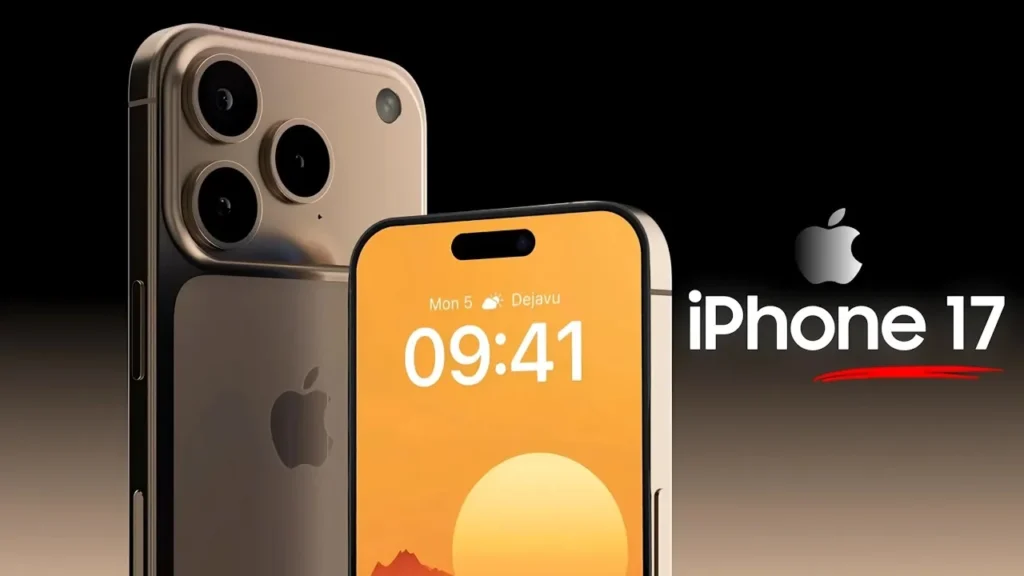
The first thing to point out about the Xiaomi 17 Pro and Pro Max is their styling. The camera platform is notably similar to the iPhone 17 Pro Max, and Xiaomi has mirrored Apple’s naming convention with “Pro” and “Pro Max.”
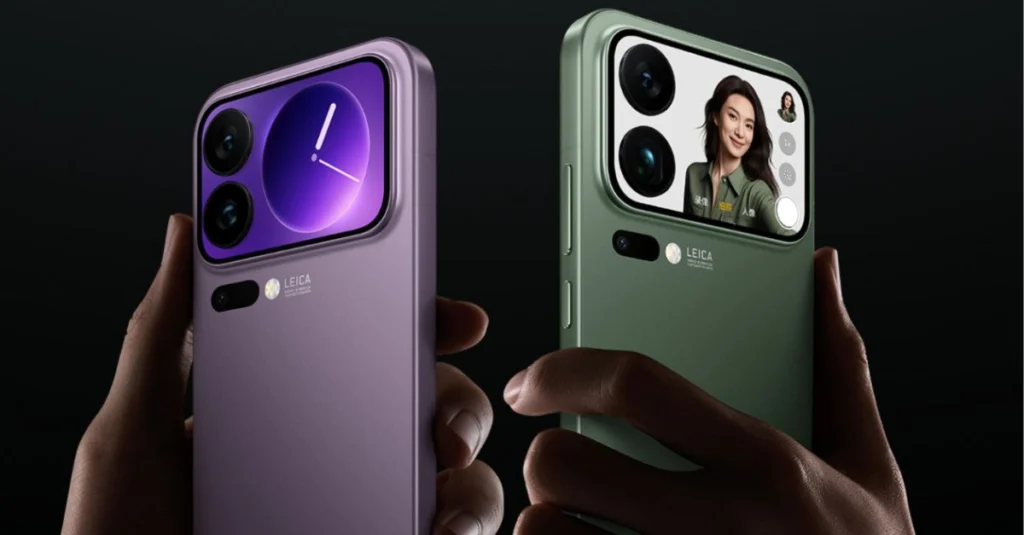
However, this is no mere copy-paste job. Xiaomi introduces a second screen on the back — something no one has done at this level or price point. Combined with a glass-metal frame, ultra-narrow bezels, and a high-end finish, the phones feel premium and lightweight, placing them toe-to-toe with Apple and Samsung in terms of build quality.
Display: Dual-Screen Brill
The standout feature of the Xiaomi 17 Series is its innovative dual-screen setup:
Front Display
- 6.8-inch AMOLED display
- 3000 nits peak brightness
- Adaptive 1–120Hz refresh rate
- Ultra-clear and vivid visuals
Rear Display
Built with the same AMOLED quality, the rear screen isn’t just for show — it’s a functional display center that lets users:
- Customize with live or AI-based wallpapers
- Control music playback without unlocking
- Display notes, QR codes, or sticky reminders
- View timer and notification popups
- Take rear-camera selfies with full preview
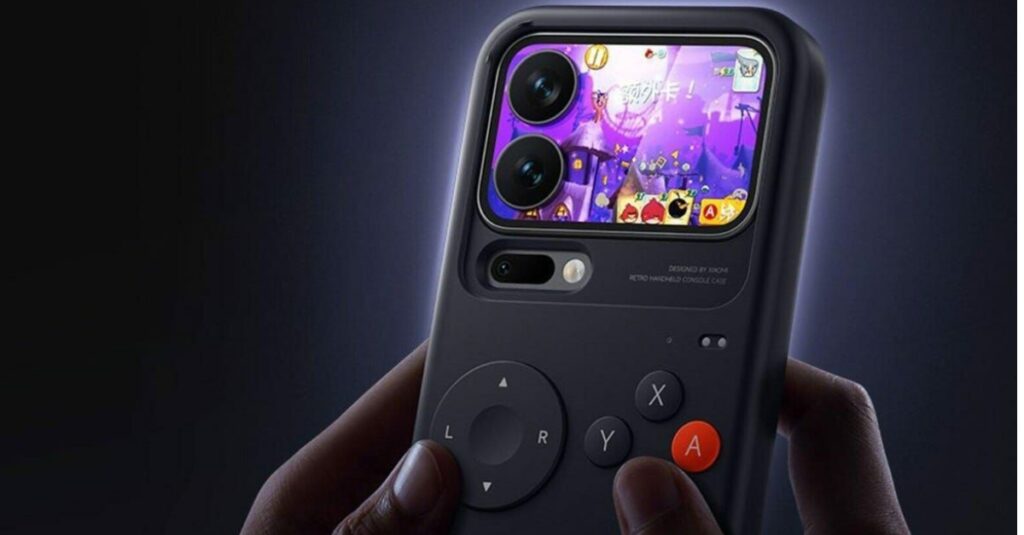
There’s even an optional gaming controller case that turns the back display into a handheld gaming console — a bold move by Xiaomi to blend innovation with utility.
Performance: Snapdragon Elite Gen 5 & 16GB RAM
Both the Pro and Pro Max variants of the Xiaomi 17 are also powered by the Snapdragon Elite Gen 5 processor, the performance heart of next-generation Android flagships for 2025-26.
Specs key:
- 16GB LPDDR5X RAM
- The fastest UFS 4.1
- Advanced coolings for consistent performance
As per benchmark results, the Xiaomi 17 Pro Max bests the Samsung Galaxy S25 Ultra and provides a behemoth experience for gamers. Multitasking, recording 8K video, or playing games for hours on end, the phone does it all without a lag.
Battery: Silicon-Carbon Revolution
That’s where Xiaomi excels most. The battery innovation of the Xiaomi 17 Series dismantles industry conventions:
Specs key:
- Xiaomi 17 Pro: 6,300mAh battery
- Xiaomi 17 Pro Max: 7,500mAh battery (50% bigger than iPhone 17 Pro Max & Galaxy S25 Ultra)
That’s 50% more than what you get in the iPhone 17 Pro Max or Galaxy S25 Ultra.
What makes this possible is silicon-carbon battery tech, which allows greater capacity without adding bulk. With a 100W fast charger included in the box, users can expect up to 2 days of battery life — a massive win for heavy users and travelers.
Camera: A New Selfie Era A camera
The camera setup of the Xiaomi 17 Series confronts Apple and Samsung directly.
Rear Camera System:
- Triple-lens setup
- Wide, ultrawide, and high-zoom telephoto
- Enhanced dynamic range and AI optimization
But the game-changer is how the rear cameras are now selfie tools too — thanks to the rear screen. You can shoot 8K selfie videos and high-resolution portraits, easily beating the front camera performance of most flagships, including the iPhone 17 Pro Max.
Other photography perks include:
- Accurate depth in portrait mode
- AI-assisted photo and video editing
- Creative modes like Polaroid effects, photo montages, and more
Software & UI: Apple-Like, with Xiaomi Twists
The interface of the Xiaomi 17 Series borrows a bit from iOS — especially with icon styles and the control center layout. However, Xiaomi’s HyperOS brings its own personality, featuring:
- AI wallpaper engine
- Unique rear-screen animations
- Smart productivity and customization tools
Together, these elements make the software experience as innovative as the hardware it’s built on.
Pros & Cons of Xiaomi 17 Series
✅ Pros:
- Massive 6,300–7,500mAh battery with silicon-carbon innovation
- Dual-screen setup, including functional rear screen
- Snapdragon Gen 5 and 16GB RAM for elite performance
- Rear camera enables 8K selfies and advanced photography
- Comes with a 100W charger in the box
- Premium design and build quality
✖️ Cons:
- Limited app integration on the rear screen
- iOS-inspired UI may feel less original
- Some features of the rear screen feel experimental or gimmicky
- No global unlock support yet (China-first release)
Final Review: Should You Get the Xiaomi 17 Pro Max?
The Xiaomi 17 Series proves Xiaomi is no longer just a “value-for-money” brand. It’s now a bold flagship innovator.
If you’re seeking:
- The best battery life in the industry
- Innovative dual-screen tech
- Top-tier performance and camera tools
then the Xiaomi 17 Pro Max is easily one of the most exciting phones of 2025.
However, if you prefer a mature ecosystem, global support, and a safer bet, the iPhone 17 Pro Max or Galaxy S25 Ultra may still be better suited.
Either way, Xiaomi has made it clear — it’s here to disrupt the flagship space
Frequently Asked Questions (FAQ)
The Xiaomi 17 Pro Max offers a dual screen, a 7,500mAh silicon-carbon battery, and 8K rear-camera selfies — all absent on the iPhone 17 Pro Max.
Yes! Unlike Apple and Samsung, Xiaomi includes a 100W fast charger in the box.
With the Snapdragon Gen 5, 16GB RAM, and advanced cooling, the 17 Pro Max delivers a top-tier mobile gaming experience.
It’s semi-experimental. While it brings real benefits like selfie previews and quick controls, some features may feel a bit gimmicky or underdeveloped.
It is currently a China-first release, but global availability is expected later in 2025.